by Dr. F. Alice LeDuc
Douglas’ Spiraea, Rose Spiraea – Spiraea douglasii
Spiraeas have been staple landscape plants for at least the last century and a half. They are mostly deciduous shrubs with showy flowers in spring. The reason for their popularity was the ability of shipping distances during late winter and early spring. The plants could be dug and bare rooted, then shipped with some light weight slightly moist material surrounding the roots. The ease of shipping without weight of soil and containers made them quite economical. It was not until the 1960s that in-pot plants could be shipped, with the advent of refrigerated trunks. Thus, cross country transport of plants became feasible. As more and more evergreen potted plants became available there was a drop off of many deciduous shrubs such as spiraeas. Today we can see one of our native spiraeas used in our region.
Let me introduce you to Spiraea douglasii. This species has a native range from British Columbia south to Northern California. It can be found from the coast eastward across the mountains to the eastern slopes of the Cascades. This is a common plant of the stream banks, bogs, fens and wetlands. In some ares the thickets are almost impenetrable. It can grow in a variety of soil types including sandy or graveled soils. The plants are intolerant of shade so you will see them only in open areas especially meadows along streams or other wet habitats.

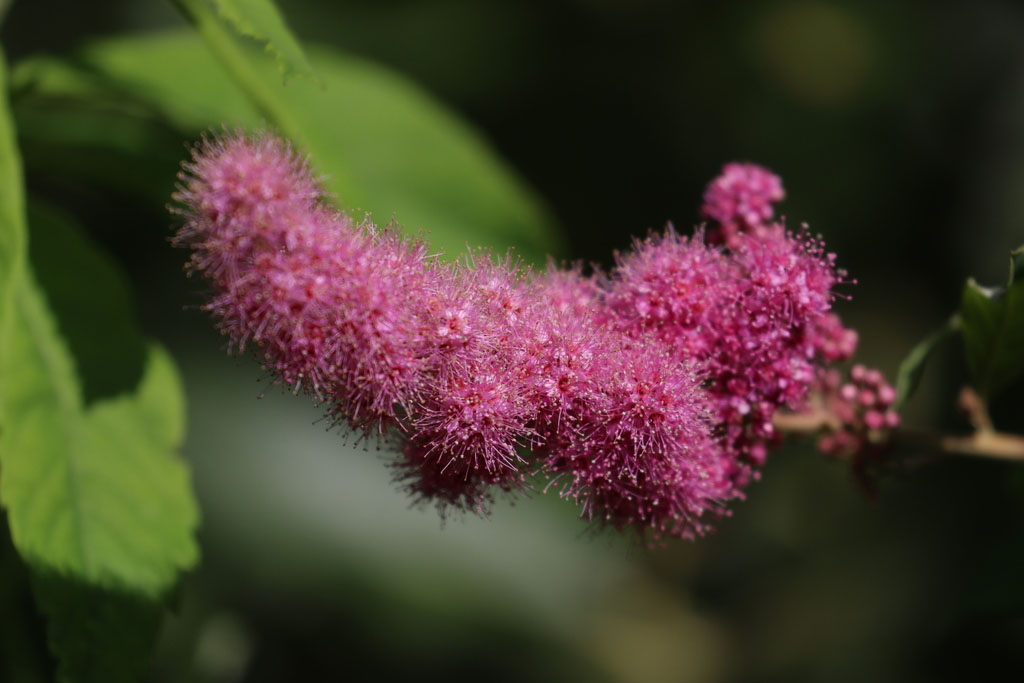
This is a thicket forming shrub from rhizomes with dense stems and branches. The leaves are alternate, oval to oblong with shot petioles. The margins are serrated usually on the terminal half of each leaf. The plants bloom in early summer with large clusters of pink flowers, often looking like spires or spikes on the terminals of the stems.
The species is moderately fire tolerant because of their moist habitats and because they can regrow quickly from underground rhizomes. This does make them good for reforestation after forest fires or seral ecosystem successions. That’s where they come in as first succession plant that eventually change over to more advanced ecosystems. Say as the forest canopies develop and create too much shade for the spiraeas to continue to survive.
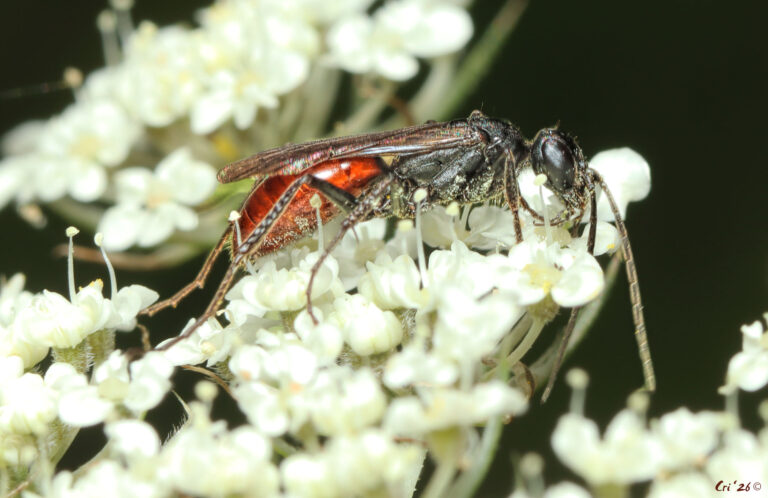
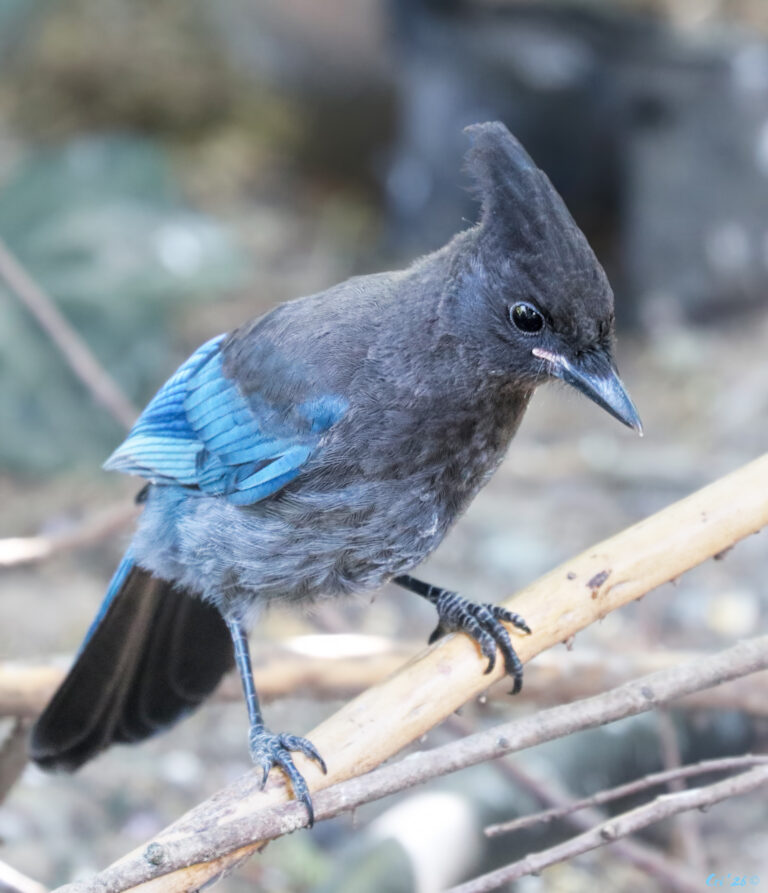
Because of the density of the thicket the plant creates they provide nesting sites and cover for small birds and mammals. Deer will brose the foliage upon occasions but it is the flowers that attract the pollinators such as hummingbirds, bees, and butterflies, along with the seeds that help seed loving birds to survive the winters.

There is a lot of talk these days about invasive exotic plants that are taking over habitats to the exclusion of many of our natives. The Spiraeas are among some of our natives that can, under the right conditions, become invasive as well. Consider that these plants can form almost impenetrable thickets where other species of plants cannot compete for space or light. So forest and land management programs walk a fine line between accepted and potentially harmful use of some native plant species.