Commentary by Christy Solo
The spring/summer bird watching in my yard is a bit dull. This is the exact opposite of how the spring/summer bird watching was at my house in Trail. There I had “all the colorful birds” Grosbeaks, Tanagers, Orioles, one million Tree Swallows and eight million baby birds.
At my “new” house (as I have passed the 5-year mark, is it still “new”?) the first couple of spring/summers were nice, with some colorful birds and some baby birds – then three years ago a lovely Crow couple moved in and decided to nest.
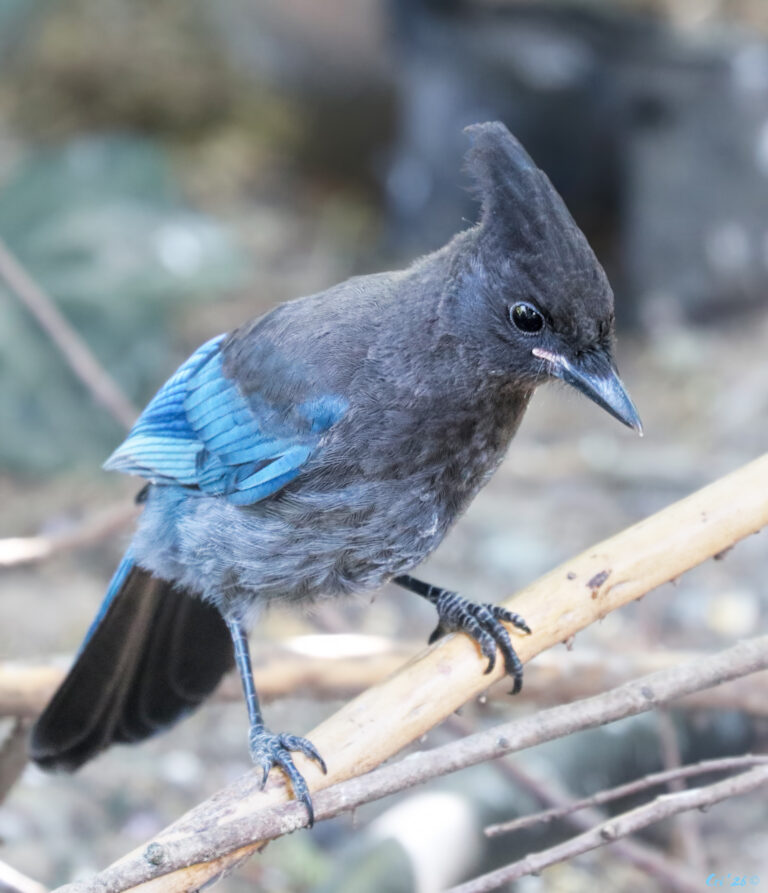
Nothing clears out a yard of All Other Nesting Birds like a Crow couple setting up house. Well almost all the other birds. I still have Steller’s and Scrub Jays, three species of doves and one million hummingbirds. Oh! And House Sparrows, non-native birds who Fear No One.
Overall it’s a summer bird palette of blacks, blues, grays and browns. I don’t take many photos as it’s also a summer bird selection of “birds who spook very easily” (hummingbirds aside).
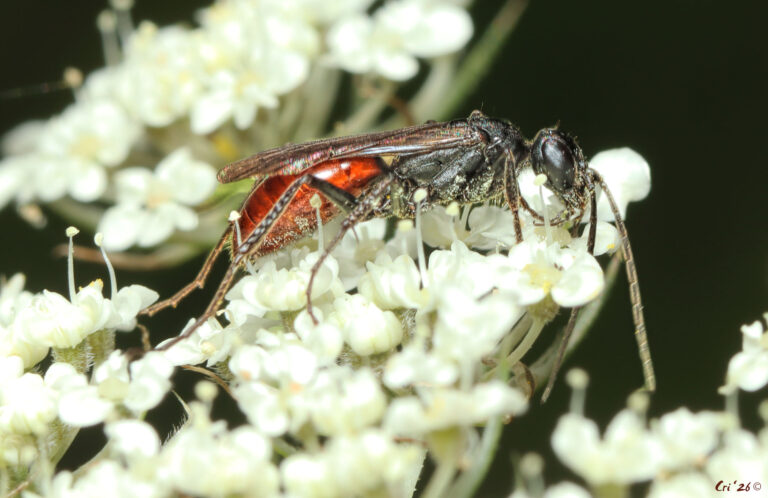
This spring, however, I’ve had an unusually high number of “non-bird” photographic subjects visiting.
First were the adorable-from-a-respectable-distance raccoons. To be fair, I always have raccoons, just at “normal raccoon hours” i.e. after dark. This pair likes to hit the 8 a.m. black oil sunflower seed buffet.
Here I’ll pause to say Don’t Panic!

They are perfectly healthy raccoons. Normally nocturnal, young and/or female and/or mum and baby raccoons will be out and about during the day during mating season. Nighttime is riskier this time of year with randy male raccoons and other hormone fueled predators around.
The Trash Panda schedule change has given me lots of photo and video ops (again, from a respectable distance).
Next to visit was a lovely looooong (but nowhere near fully grown) garter snake. She is more than welcome to dine on any and all mice and rats she can get ahold of. My yard is basically one big hiding spot, so while I have seen a wide variety of reptiles here, I don’t usually see any one snake or lizard twice. Any sighting of one, especially when I have time to go grab a camera, is exciting.

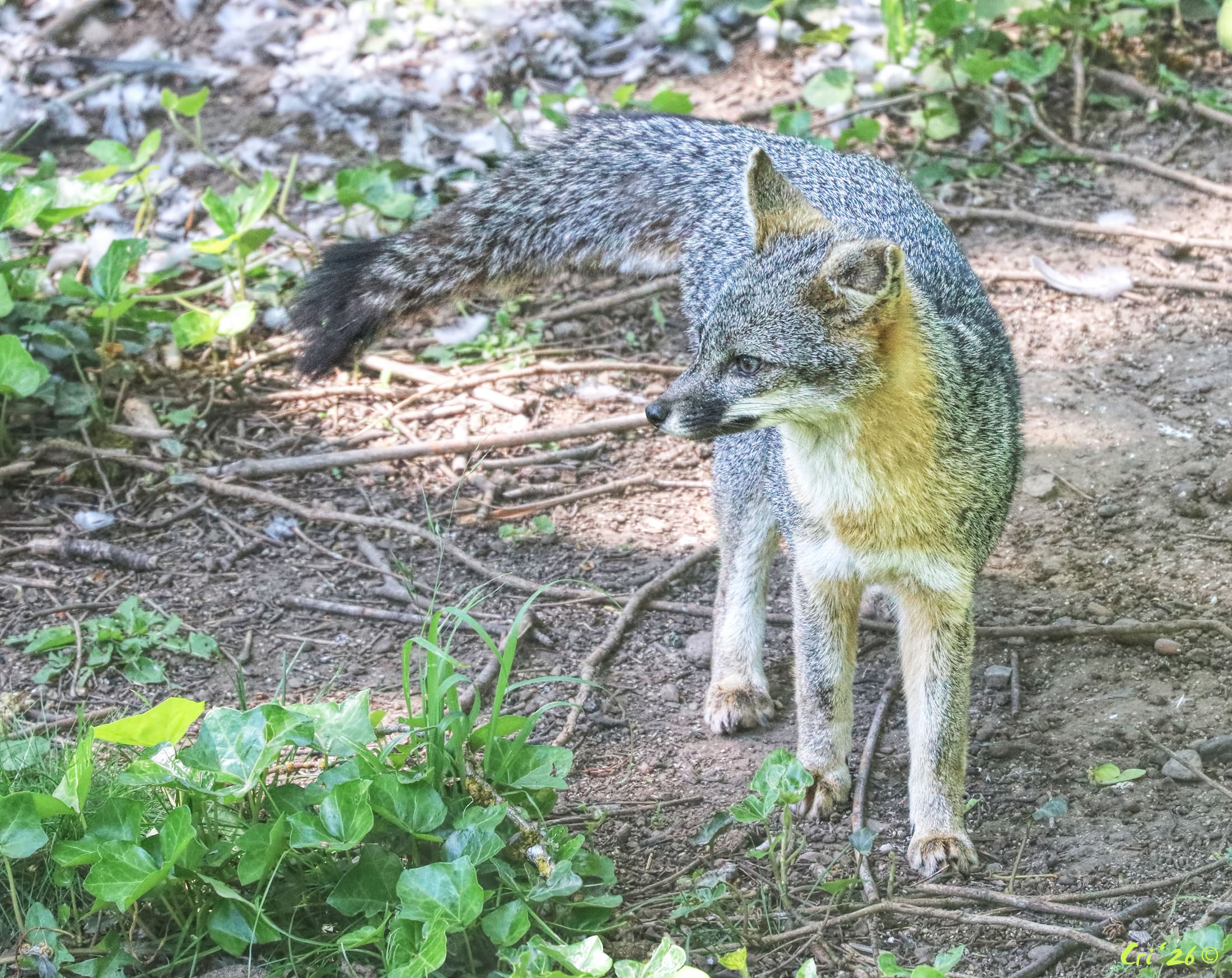
The most recent visitor was by far the biggest surprise. A lovely (even sporting some war scars) Gray Fox.
I’ve seen precisely four foxes in the wild up to this point. All gray foxes. Two I caught brief glimpses of as they sprinted across forest roads in the Rogue River National Forest then vanished into the underbrush almost before my brain could even register what I’d seen.
The third was on the highway at dusk, snacking on some roadkill, I got a good 2 second look while braking before it ran into the underbrush.
The third was one I came literally face to face with about 10 p.m. one night when I went out ahead of the dogs to check for raccoons via my headlamp before letting the pack into the dark yard. This fox was on the other side of my fence in the neighbor’s yard. No photo op in pitch blackness.
Now, I know I have resident foxes because my front porch, especially, has an endless supply of gray fox scat. My yard is perpetually marked as “Fox Territory.”
Fun fact: Fox scat has sharply pointed ends. Yup.
But for all the poo, I’d only caught that brief glimpse of an actual fox over a year ago.
Then, a few days ago I went out at 11 a.m. to refill the hummingbird feeders on the second-floor balcony, and to my total shock, there was Ms. Gray Fox under one of the bird feeders acting like she owned the place…oh wait…she does.
This surprise sighting solved the riddle from the previous day of “What animal managed to catch and eat an entire band-tailed pigeon by the feeder in under four hours” (that is quite a feat, band-tailed are crow-sized birds).
Apparently Ms. Fox was hoping for another bandie meal, but they weren’t around yet. Luckily she hung around long enough for me to go back inside and grab the camera.
I think she’s a mum fox with kits, but despite my new hobby of checking the yard constantly I haven’t seen her again. But, hope springs eternal.
Final fun fact: Young, female and mum foxes will also sometimes be out during the day in springtime, for the same safety reasons as raccoons, so you too might get to see some “normally nocturnal” critters out and about over the next few weeks.