
by Christy Solo – Editor
As the weather warms it’s hard not to think about produce. So in this week’s All Things we’ll explore Oregon raspberries and their family members, as well as the many veggies we grow for processing.
We’ll kick off with our berries. We’ll also clarify that in this column we’ll be talking about berries in the agricultural sense, not the foraging for native berries sense.
Of course our native berries were the precursors to our farm-grown berries, but with improvements for flavor and consistency. We’ve also created some nifty hybrid berries.
Fun fact: Raspberries and blackberries are in the same genus: Rubus. Not only are they sweet (some more than others, we’ll get to that!) but they are good for you. A real win-win. They are chock full of Vitamins C and K and the seeds in the berries pump up their fiber content.
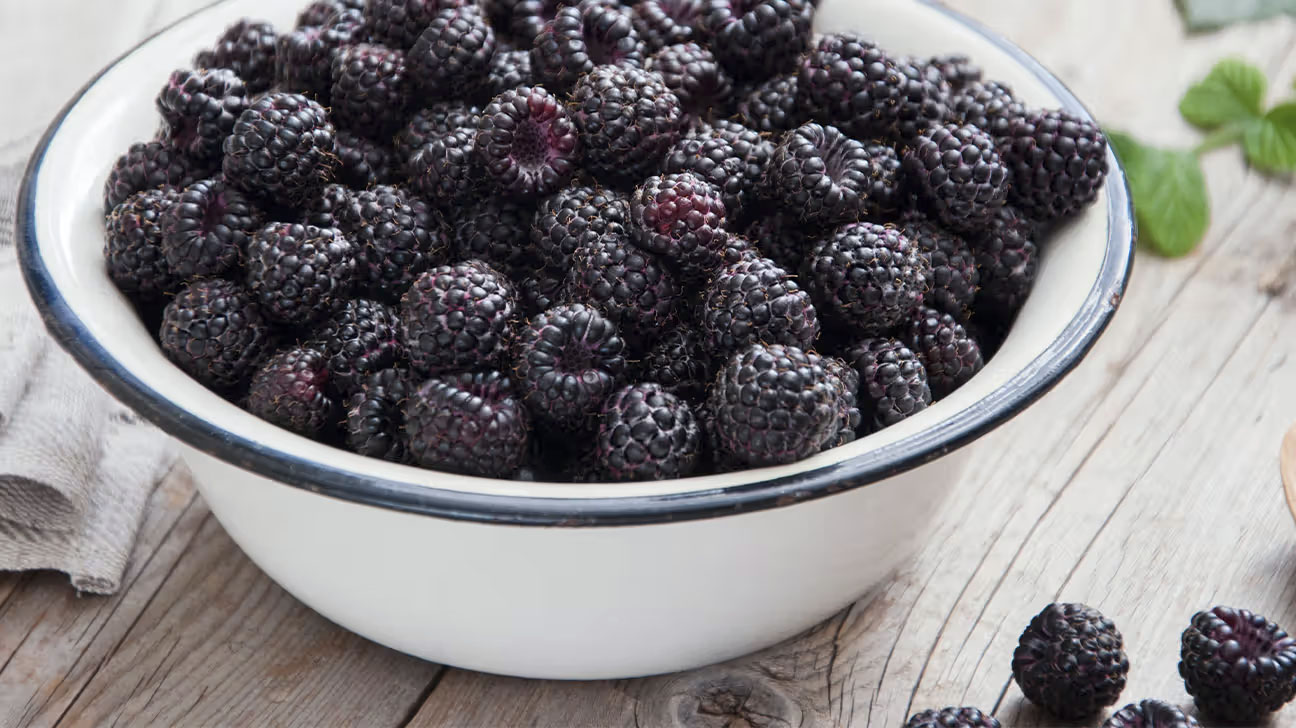
Oregon produces more blackberries, marionberries and black raspberries than any other state. We produce several varieties of Rubus berries: red raspberries, black raspberries, marionberries (a cultivar of two blackberries created in Oregon in 1956), loganberries (a cross between a blackberry and a European raspberry), blackberries and boysenberries. Boysenberries are a mix of four berries into one!
Fun facts: While you can get many fresh Oregon grown berries, most of our red raspberries are frozen, pureed or juiced. Meanwhile, 99% of all farmed black raspberries are grown in Oregon. Black raspberries have a stronger flavor than milder red raspberries.

Loganberries are fun, funky berries. They are large and blackberry-shaped but taste like raspberries. Truly the answer to the problem of “What if raspberries were…MORE!”
Boysenberries are super sweet and juicy – as well they should be being a mix of so many berries. Oregon is the top producer of boysenberries in the world. These sweetest berries are awesome for juices, jams and, of course, pies!
Naturally, all our berries are perfect just eaten fresh from the produce aisle (well, do pay for them first) or roadside stand.
But why are Oregon’s berries so superior to those grown in other places? Magic, of course. Well, that and our climate. Our warm days and cool nights keep our berries from ripening too quickly. Berries which ripen at their own pace have time to fully develop their flavors and sugars!
Now let’s look at Oregon veggies you can enjoy year-round! Oregon produces many vegetables that are processed via freezing, freeze drying and powdering. Our farmers put a lot of work and teamwork into harvesting to-be-frozen veggies at peak ripeness and scheduling processing carefully so our veggies go from field to processing in under four hours.
This processing speed locks in not only farm-fresh flavor, but also nutrients.
Which veggies does Oregon grow for processing? Basically “the ones you probably have in your freezer.” I know I always have frozen corn and peas on hand and those along with green beans are Oregon’s top “to be processed” products.
In addition to being frozen, some of Oregon’s corn is also converted into corn powder used for cooking soups and other dishes.
Our green beans are bean-tastic, making us the fourth largest producer of green beans in the U.S. – that’s 2.6 billion pounds annually if you’re into statistics.
If you prefer those frozen “Vegetable Medley” packs from the chilly aisle at your local store, Oregon has that covered too. Oregon farmers grow a lot of carrots, broccoli and cauliflower. Putting that into numbers we have over 325 farms producing carrots, over 240 growing broccoli (who knew the world needed that much broccoli!) and around 140 farms growing cauliflower. With cauliflower being the new “pizza crust flower of choice” those numbers may grow.
Now that we have you hankerin’ for some produce, check out this week’s Recipe Corner for some ideas on how to make the most of the produce Oregon makes the most of.