A Botanist’s View of Local Flora – Bluebells
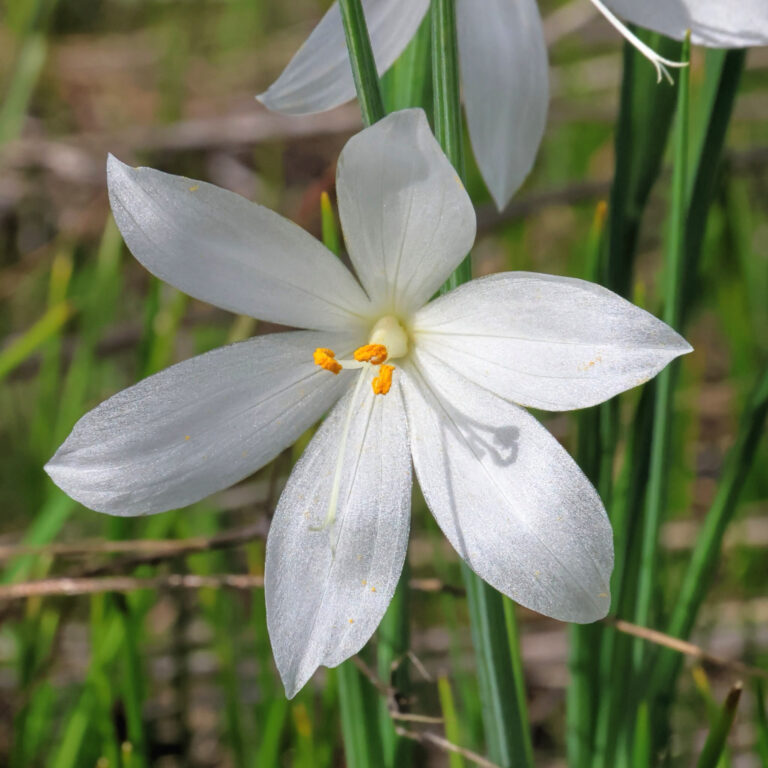
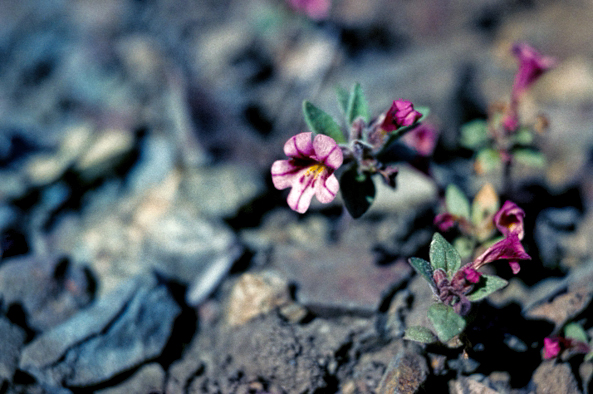
Bluebells have beautiful dainty, pendulous, tubular flowers that expand to a bell-shaped structure with flared lobes. Both our species are found in moist meadows, open forest areas and stream sides.

Bluebells have beautiful dainty, pendulous, tubular flowers that expand to a bell-shaped structure with flared lobes. Both our species are found in moist meadows, open forest areas and stream sides.

Away to the west of the Chetco-Illinois River divide, in a dark, wooded section of the Little Chetco canyon, many years ago, when the hardy gold seekers of that day were back there reaping a golden harvest, a sturdy little one-room cabin with an open lean-to attached to one end was built beside the trail not far from the river. It was always called the “Emily” cabin.

Bitty bug, big eyes, big benefit! Meet the big-eyed bug (Genus Geocoris).
At a mere 1/8 of an inch (3mm) the only big thing about big-eyed bugs are their eyes.

I love my dogs – but – I’m super ready for their collective case of Spring Fever to be over, and it isn’t even really spring yet!

Baseball season is coming and I’m ready for 162 games of relaxing at the ballpark with a transistor radio tuned into the game in one hand, a scorebook in the other and a cold glass of beer under my chair for between innings. My very first major league game was when I was barely old enough to go to school.

To celebrate Women’s History Month this week’s All Things will shine a spotlight on three unique, talented and artistic Oregonians – Ebba Wicks Brown, Marian Wood Kolisch and Toni Pimble.

Self-Heal, Heal-All – Prunella vulgaris
Let me introduce you to a pretty little wildflower that you can find throughout the forests and meadow edges of our area.

More and more, if we get our hands on the right kind of literature, we read of the importance of physical exercise in building up and maintaining good bodily health. The muscles, it seems, instead of resenting any additional burden imposed on them in the name of good health – within reasonable limits, of course – respond by performing some chemical magic that gives us a pleasant feeling of well-being and general fitness, a feeling that is conspicuously absent after prolonged periods of inactivity.

This week’s crawly is a petite but potent pest controller. Meet Brachymeria ovata an adorable little chalcid wasp with a tongue twister of a genus name (pronounced Bruh-chi-mer-E-ah) – yup. We’ll call them “ovata” for brevity and to avoid spraining our tongues.