Crawlies with Cri – Punctate Blister Beetle
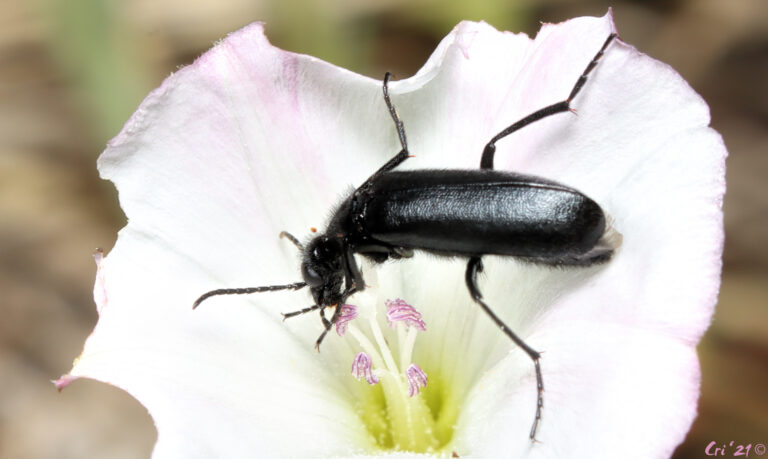
This week’s crawly falls under the “Look DON’T TOUCH” category. We’ll also add that eating one would be even worse – not that you’d be tempted – but stay away from the “double dog dares” with this critter.


This week’s crawly falls under the “Look DON’T TOUCH” category. We’ll also add that eating one would be even worse – not that you’d be tempted – but stay away from the “double dog dares” with this critter.
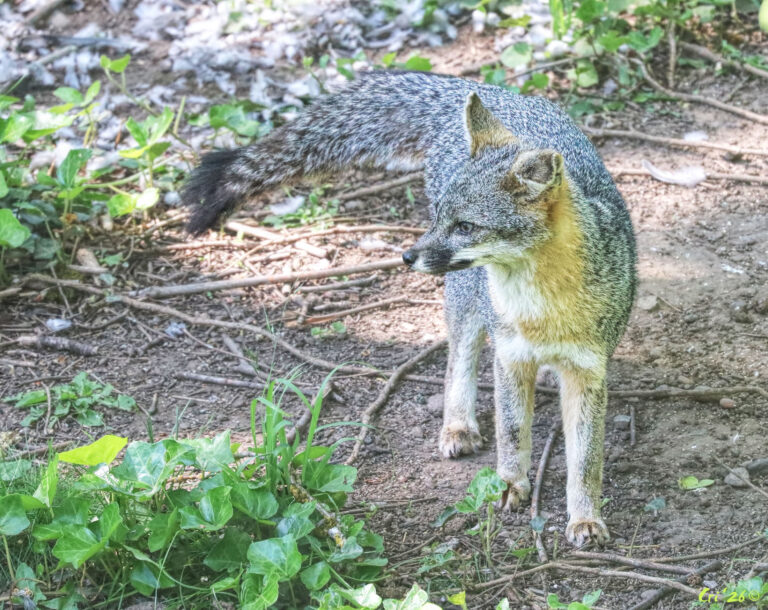
The spring/summer bird watching in my yard is a bit dull. This is the exact opposite of how the spring/summer bird watching was at my house in Trail. There I had “all the colorful birds” Grosbeaks, Tanagers, Orioles, one million Tree Swallows and eight million baby birds.

The May 7, 2026 Shady Cove City Council meeting began with a presentation and ended with profanity.
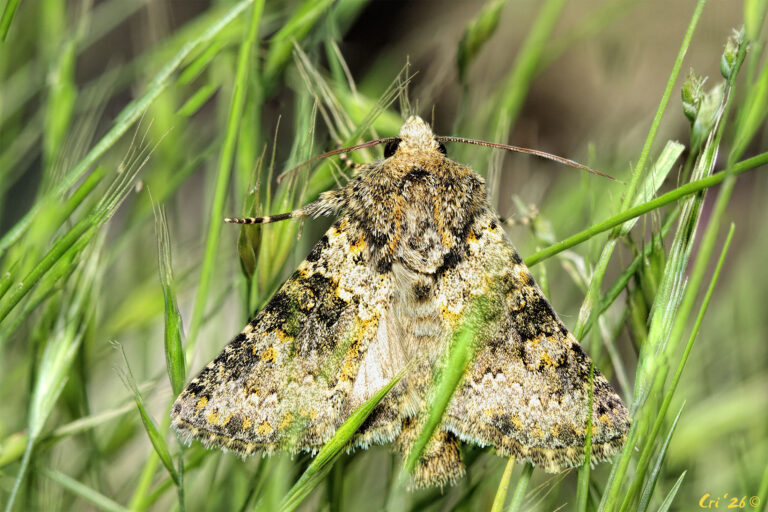
This week we’ll meet a pretty flitter who is a fairly new resident of Oregon. Meet the small ranunculus moth (Hecatera dysodea). We’ll call them “ranu” for brevity’s sake.

This week’s Rogue should be pretty relatable if you have a yard to need to tend to. My backyard is at least .5 acres and two-tired with a “path” (AKA where I walk and now grass doesn’t grow) running from the house, along the retaining wall, and around the end of the wall down to the lower part of the yard.
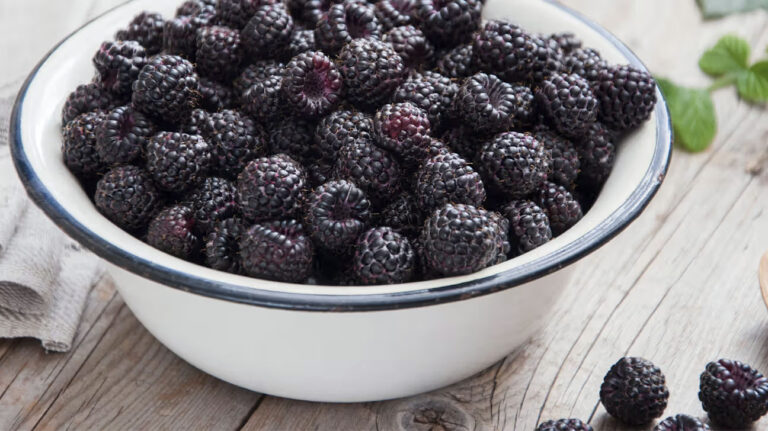
As the weather warms it’s hard not to think about produce. So in this week’s All Things we’ll explore Oregon raspberries and their family members, as well as the many veggies we grow for processing.
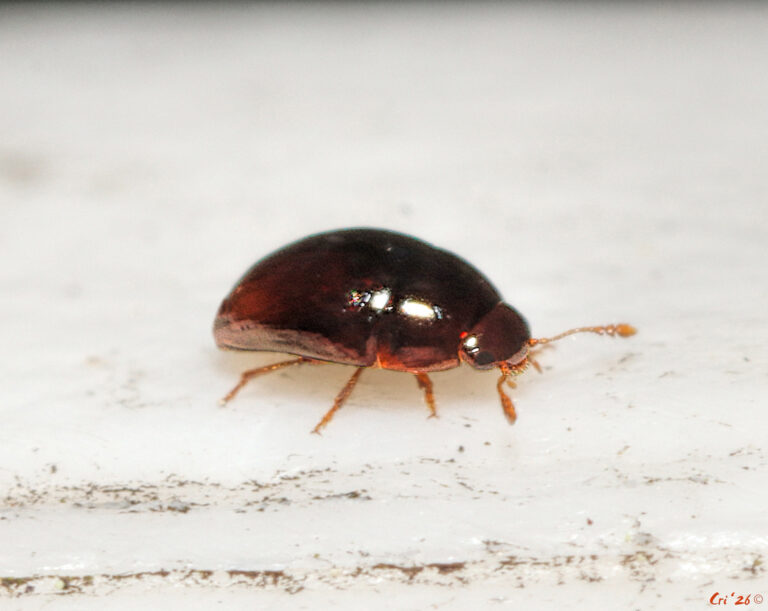
This week we’ll meet a tiny, shiny pollinator. Meet the shining flower beetle (Family Phalacridae).
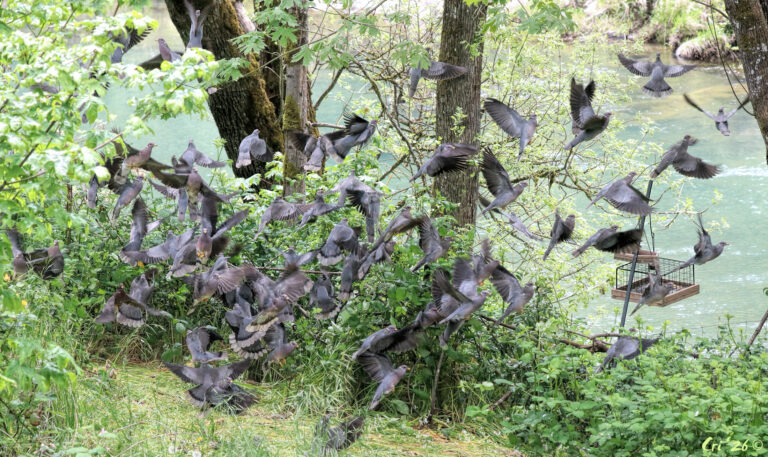
This week’s Rogue is a bit of a follow-up – or follow-on – to previous Rogues and the April 22 All Things “Birds on a Budget.”

We’ve made a lot of photo collages for All Things; this week we’re going to make an idea collage pieced together from past columns to help you have the best Mother’s Day Ever.
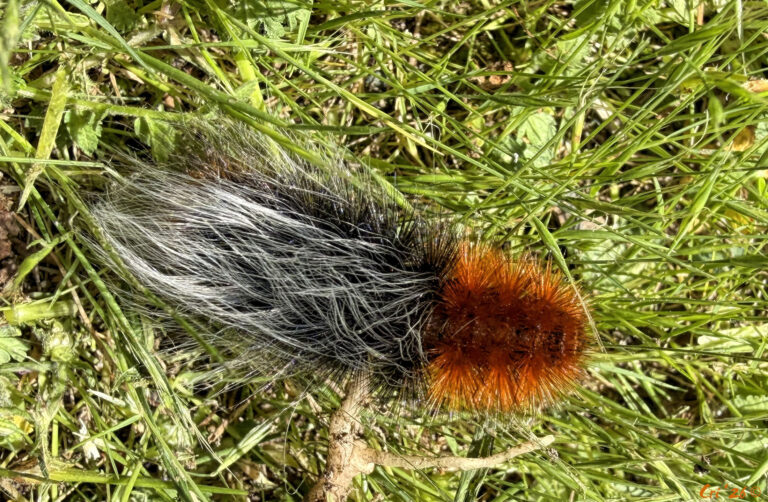
This week we’re going to revisit a crawly we met briefly 10 years ago. Reacquaint yourself with the ranchman’s tiger moth (Arctia virginalis).