A Botanist’s View of Local Flora – Pollen and Pollinators

By Dr. F. Alice LeDuc

Flower Pollinators and Flower Pollination

My niece and I were discussing pollination the other evening. She is an expert on insects, and I am a botanist so interesting topics happen. She was surprised that all flowers do not produce nectar. That is how this article began.

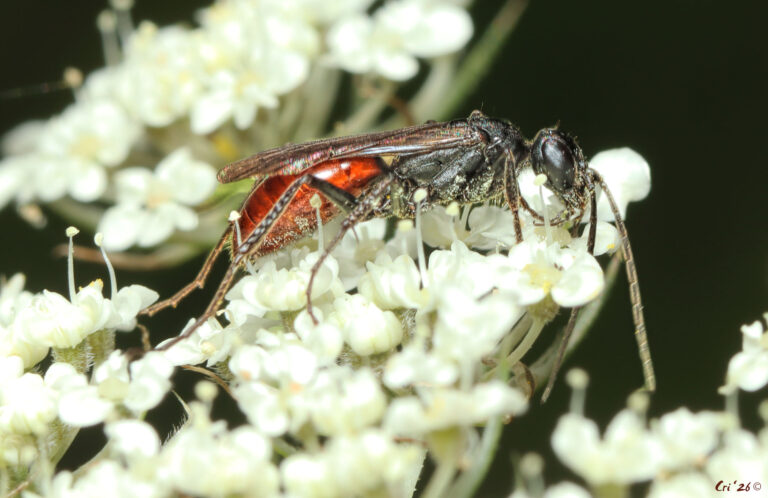
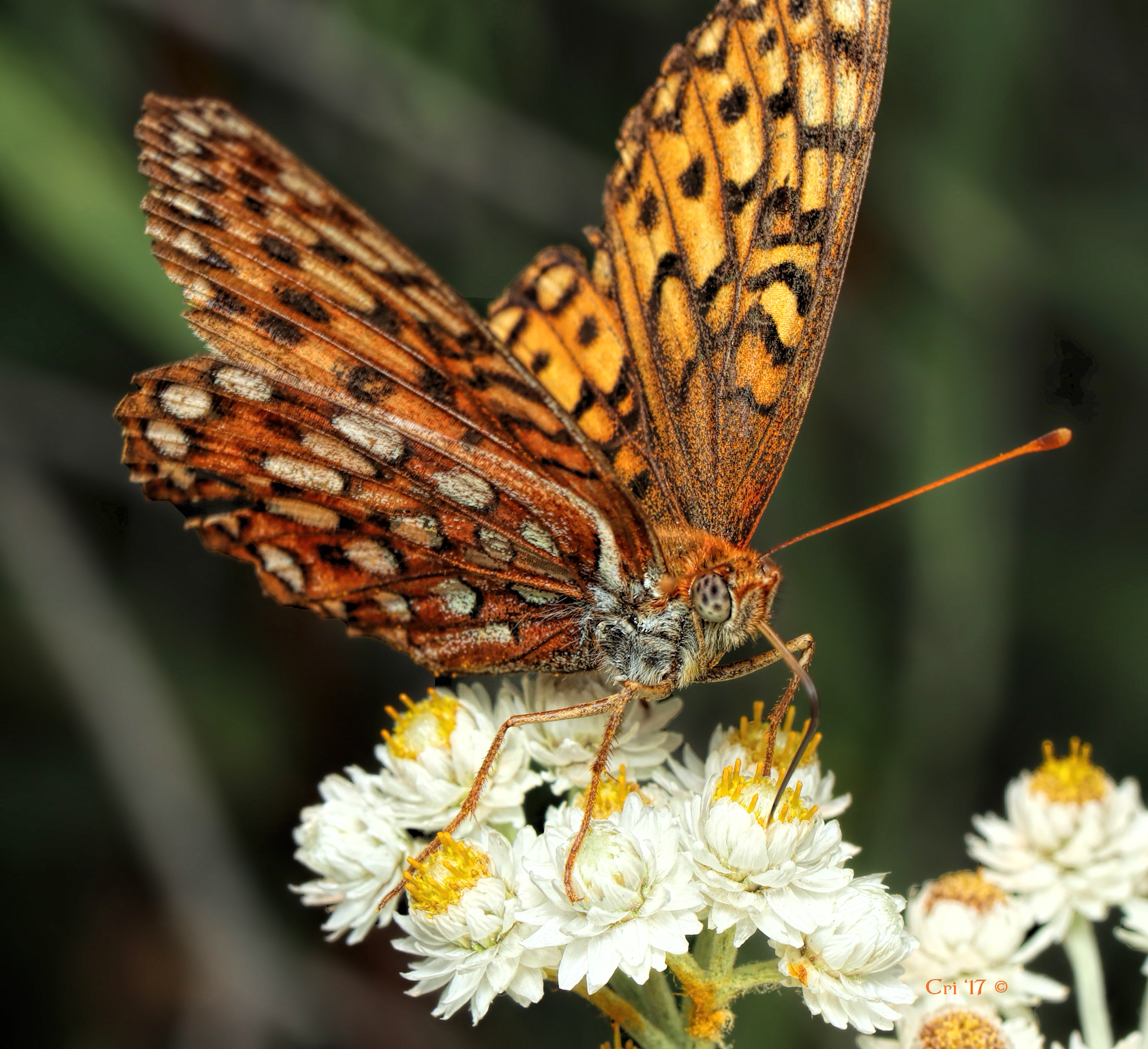
So, flowers are pollinated by insects (butterflies, bees, beetles, hoverflies, day flying moths like Sphinx, other insects) and birds (Hummingbirds though other birds may rob the nectar without pollinating the flower.) Some pollinators are attracted to the pollen that is high in protein so an important food, other pollinators are after the nectar for the sugar. Actually, nectar not only has sugars in the form of glucose, sucrose and fructose but also trace amounts of amino acids that are important for the pollinators as well.  Pollen from different plants can have different amounts of protein in them, and not surprisingly so does nectar have different amounts of sugars.  The point of using various pollinators is they are mobile and can fly from flower to flower.

photo of a male rufous hummingbird drinking nectar from a flowering quince flower.
Male Rufous Hummingbird enjoying a sweet blossom on a Flowering Quince (Chaenomeles). Photo by Christy Solo

Let us focus on nectar, while not all flowers produce nectar (for example the California Poppy does not), the ones that do have different amounts of sugars in their flowers depending on the amounts needed by the pollinators. Let’s face it, the plants are in the business of manipulating the pollinators for the sole purpose of assisting in getting their flowers pollinated, particularly the potential of getting pollen onto different plant flowers. Often flowers with red or orange colors have higher sugar concentrations and are necessary for hummingbirds so these birds are found most frequently on such plant flowers (and why hummingbird feeder faux flowers are red). The most important fact is nectar costs the plants great amounts of energy to manufacture. The concentration of the various types of sugars depends on the preferred pollinators of each species of plant. Therefore, plants must be very practical, so they only produce nectar when the pollinators are actively looking for high energy food. Insects, such as sphinx moths, fly looking for food when temperatures are around 70 – 75 degrees F. Therefore, the plants produce nectar at those temperatures. Of course, that means that the plant flowers will be found blooming at temperatures around 70 – 75 degrees. For example, Mirabilis jalapa or Four O’clock flower blooms around 4 O’clock in the afternoon hence its common name. In its native range in Mexico the temperatures are around 70 – 75 degrees at 4 O’clock in the afternoon and that is when the sphinx moths are most active. In various plant nectar studies, there is a definite correlation between the air temperature and the activity of the pollinators and the amount of nectar present in the flowers. If we look at air temperatures and pollinator activity in plants pollinated by hummingbirds one can see that the most active times of day for pollinators are when there is also the highest quantity of nectar available in open red or orange flowers. This is usually early in the morning or late afternoon.

In summary, plants have the need to find transport for their pollen between individual plants to insure cross pollination. Thus, ensuring greater exchange of genetic material. So, they offer insects, birds and other creatures high energy food rewards to help ensure greater dispersal of genes through the great mobility of the pollinators.