
by Christy Solo – Editor
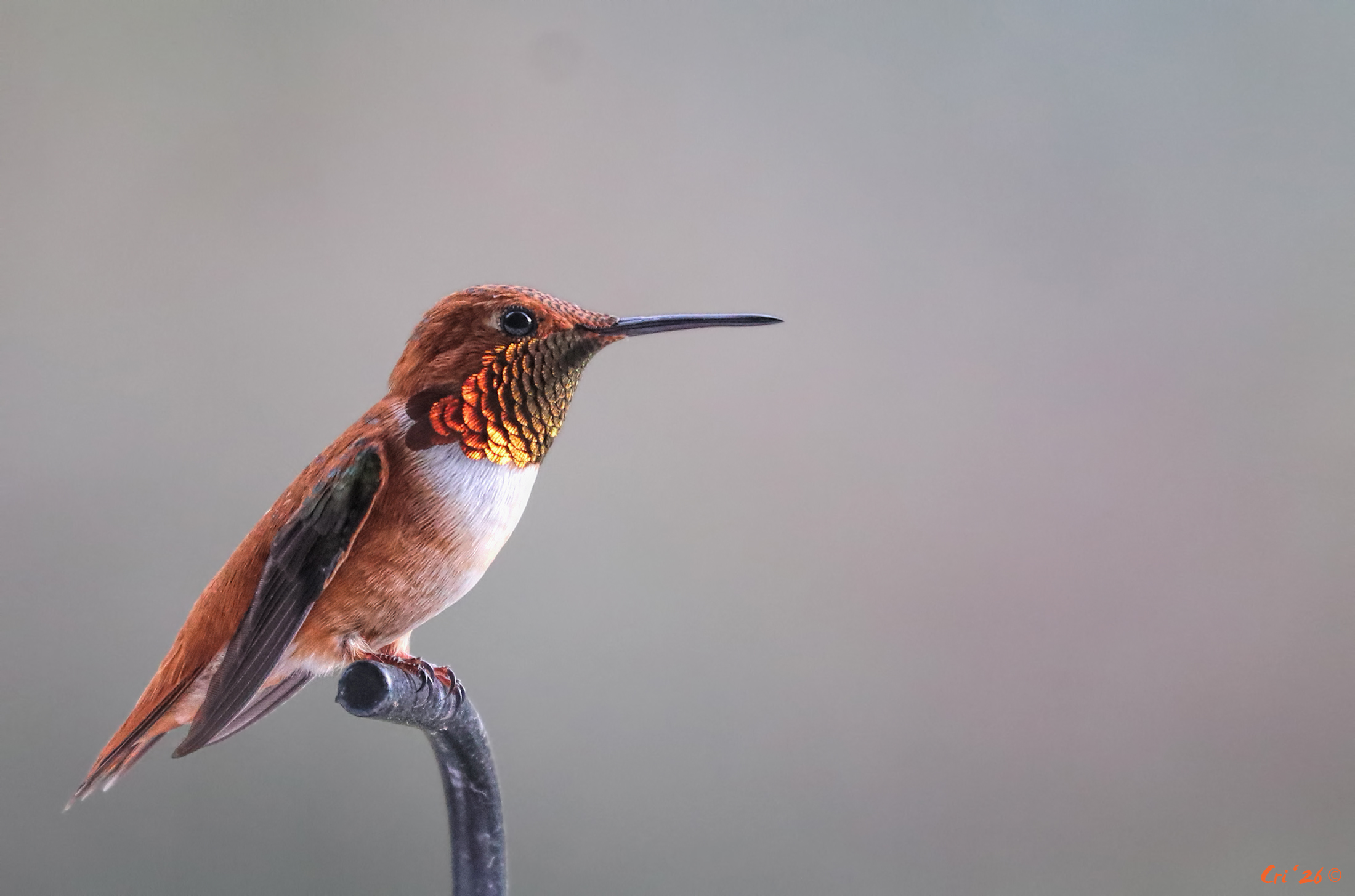
Once again, Southern Oregon is beginning to be abuzz with little hummingbird wings right now as rufous and calliope hummers migrate here to join our year-round Anna’s, so it’s time for a “how to” reminder for feeding these voracious little birds.
The riparian corridor is a popular migration “highway”, so a lot of hummingbirds will be moving through our area over the next few weeks. Many will stay and nest here, the majority will keep moving north after fueling up in our backyards.
To ensure our visiting (and resident) hummingbirds are getting the very best fuel, here are instructions on providing the perfect mix for your feeder as well how to maintain a clean, safe feeder.
Note: this is the definitive method for healthy hummer food and feeder care. Researched via multiple expert resources including; Audubon, Cornell University, Hummingbirds.net, Wild Bird Shop and more.
The Syrup:
- Ratio is 4 parts water to 1 part sugar (4:1)
- Use white refined sugar – only.
- Bears repeating; white refined sugar only
- Do NOT use: honey, Jell-O, raw sugar, organic sugar, corn syrup, turbinado, fruit juice, molasses or brown sugar – each of these can cause severe health problems for hummingbirds
- Do NOT use any sugar substitutes
- Do NOT add red dye. Don’t. Just don’t add it. It’s bad for the birds and not necessary.
- Do NOT use store bought pre-mixed syrup, you’ll just be paying too much for supposed “extras” the birds do not need.
- Boil the water.
- You can bring to a boil then mix in sugar until dissolved; or
- Add sugar then bring to a boil for 1 minute only (any longer and you will boil off too much water)
- Boiling eliminates chlorine and other chemicals as well as bacteria harmful to hummingbirds
- If you filter for lead, or arsenic use your filtered water for hummingbird feeders as boiling won’t “get the lead out”
- Let cool to room temp and fill feeders

Feeder Maintenance:
- Rinse feeders before re-filling with hot water ONLY – try to avoid using soap or running through the dishwasher as much as possible. Soap can leave a residue and cause some hummingbirds not to use the feeder. Thoroughly rinsing and using bottle brushes with each fill will keep the feeders clean.
- If you see any dark spots in feeder, that indicates mold. Use a bottle brush and hot water to remove all traces, then soak feeder (bottle & base) in:
- Solution of ¼ C bleach to 1 G water (soak for 10 min.); or
- ¼ C white vinegar to 1 G water (soak for 1 hour) (if you have concerns about using bleach)
- Rinse thoroughly with hot water
To ensure harmful bacteria do not grow in feeders, follow this Feeder Schedule based on outdoor temperature:
- 70°- 84°F: Clean feeder and replace nectar every 3 days
- 85°- 87°F: Clean feeder and replace nectar every 2 days
- 88°F and up: Clean feeder and replace nectar every single day
Hummingbird species you might see here in the Upper Rogue: Anna’s, Rufous and Calliope (common), Broad-tailed, Black-chinned, Allen’s and Costa’s (rare).

For more information on hummingbirds visit: www.allaboutbirds.org , www.audubon.org and https://myodfw.com/wildlife-viewing/species/hummingbirds